
29/10/2026 - Press release
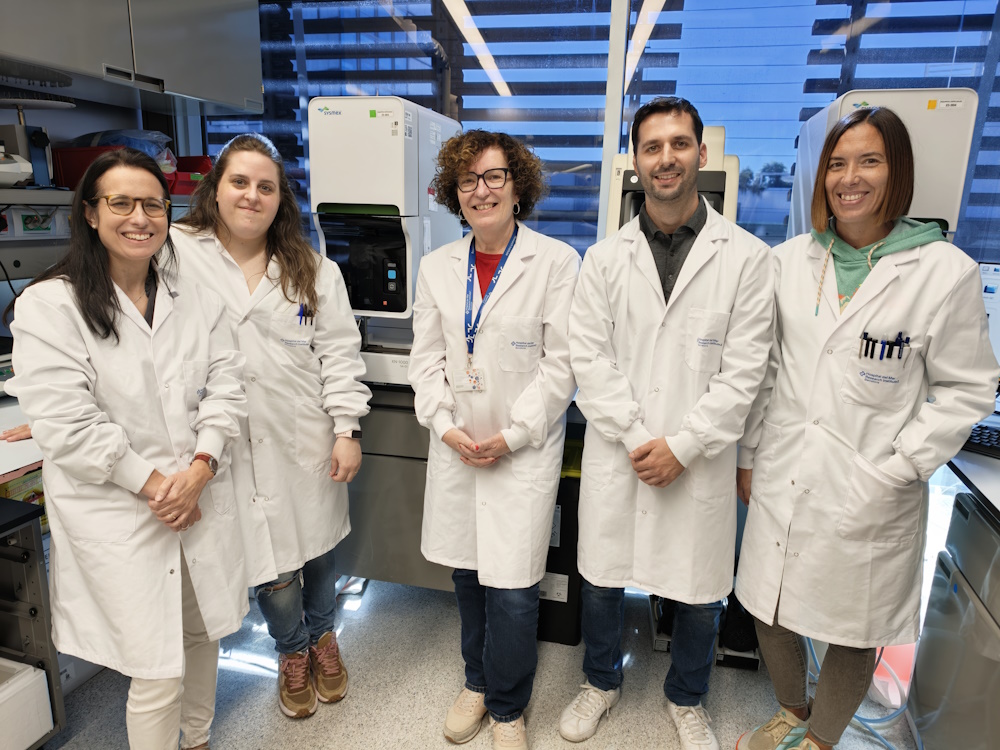
The Anti-Doping Laboratory of Catalonia, part of the Hospital del Mar Research Institute, has led the study, which could help expand the capacity to detect doping cases worldwide.
Capillary blood sampling has demonstrated the same ability to identify potential cases of doping as conventional venous blood sampling.
To this end, samples from more than 200 athletes across twelve different sports disciplines were analysed.
Cheating in sport through doping is becoming increasingly difficult. And the latest study led by Laboratorio Antidopaje de Cataluña, part of the Hospital del Mar Research Institute (HMRIB), will make it even harder for athletes who seek to improve their performance through fraudulent means. The study, published in the journal Medicine & Science in Sports & Exercise, has validated capillary blood sampling as a tool that is just as effective for detecting potential cases of doping as traditional venous blood sampling.
To this end, more than 200 samples of both types from athletes across a dozen sports disciplines were analysed. Track and field athletes, canoeists, rowers, swimmers, cyclists and taekwondo practitioners. Also Paralympic swimmers, fencers, weightlifters and shooters. The samples were collected between March and June 2025 by the Spanish Commission for the Fight Against Doping in Sport (CELAD). All were analysed using the same methods, and the results indicate "a high level of agreement in the most relevant parameters used in athletes' biological passports, which enable the detection of blood doping, demonstrating the feasibility of using capillary blood sampling in the fight against doping", explains Rosa Ventura, Director of the Anti-Doping Laboratory of Catalonia.
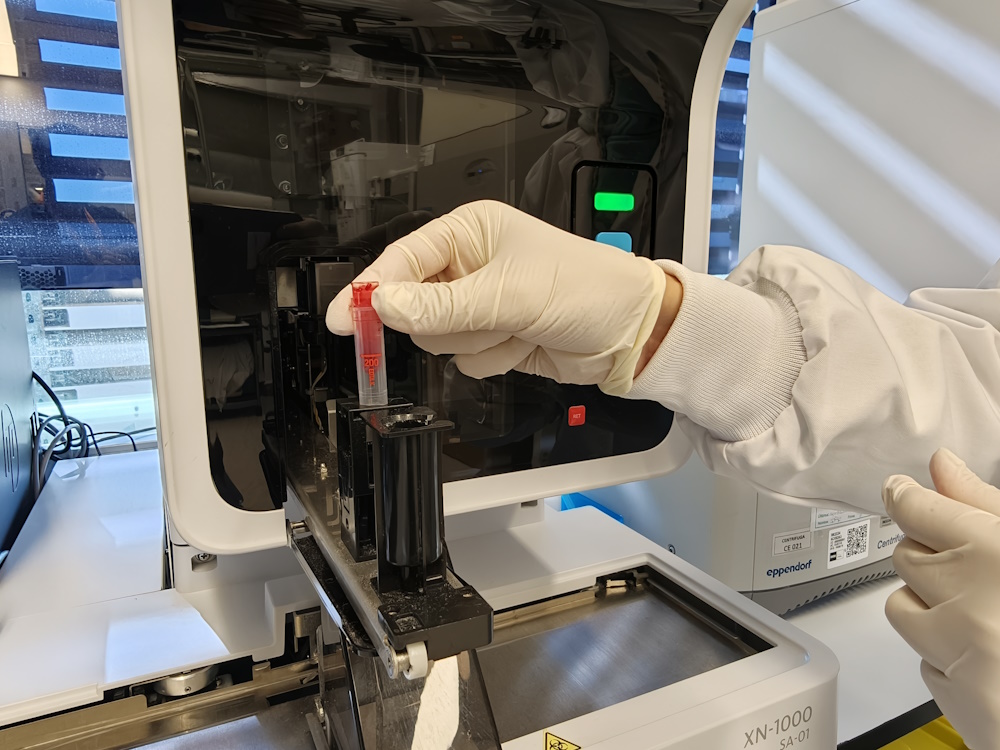
This could significantly facilitate sample collection for monitoring athletes' biological passports, specifically the haematological passport, which makes it possible to detect blood doping, such as transfusions, recombinant erythropoietin (EPO) and its analogues and mimetics, and hypoxia-related drugs used to improve sporting performance.
Facilitating the logistics of doping controls
Capillary blood samples collect only between 300 and 500 µL of blood from the arm, a smaller volume compared with the 2 or 2.5 mL collected with conventional venous blood sampling. Samples collected using the newly validated system can be taken by anyone with minimal training, whereas the conventional system requires a person with healthcare training. In addition, transport is easier, as the samples take up less space. Núria Monfort, Technical Manager of the laboratory, points out that "this substantially facilitates sample collection in settings where it is currently very difficult to do so and makes it possible to multiply the number of tests. In this way, we increase our capacity to detect doping and our deterrent capacity, and move towards cleaner sport".
The athletes who participated in the study answered a questionnaire on the suitability of the new sampling method. 81% rated the ease of use of the system positively and 90% stated that they experienced no pain with it. At the same time, the amount of blood required to perform the analyses was obtained on the first attempt in 97% of cases.
The World Anti-Doping Agency (WADA) is now evaluating the different systems for collecting this type of sample for use in anti-doping practice. In this way, the Anti-Doping Laboratory of Catalonia is once again contributing to improving the anti-doping system to ensure clean sport.
Reference article
Requena-Tutusaus L, Anselmo I, Coll S, Monfort N, Cano D, Peralta C, Ventura R. Capillary Blood as a Potential New Matrix for the Athlete Biological Passport: A Field-Based Comparison Study. Med Sci Sports Exerc. 2026 Jul 7. doi: 10.1249/MSS.0000000000004070. Epub ahead of print. PMID: 42406576.
© Institut Hospital del Mar
d'Investigacions MèdiquesLegal Notice and Privacy Policy | Cookie Policy | Site Index | Accessibility | Find Us | Contact
