
07/10/2026 - Press release
Researchers from the Hospital del Mar Research Institute and the Institut Cochin in Paris have developed a new method that improves prediction of the effects of GLP-1 receptor variants linked to diabetes and obesity.
The GLP-1 receptor is a protein that responds to GLP-1, a naturally occurring hormone that regulates blood sugar levels and feelings of satiety. It is therefore the target of some of the most advanced and widely used treatments currently available for type 2 diabetes and obesity, such as Ozempic. For this reason, understanding how the function of this receptor may vary depending on genetic changes affecting it is particularly important.
Individuals can naturally carry different genetic variants of the GLP-1 receptor, known as GLP1R variants. The individual risk of developing type 2 diabetes and variability in response to treatment may differ depending on the presence of a particular variant. Until now, determining whether a specific variant actually altered receptor function required complex laboratory studies. This situation could change thanks to the work of a team from the Hospital del Mar Research Institute (HMRIB) and the Institut Cochin (CNRS/Inserm) in Paris, which has developed a new computational method applicable to precision medicine that improves the ability to predict these effects. The method has been named GPCRvp. The findings have been published in the journal Diabetologia.
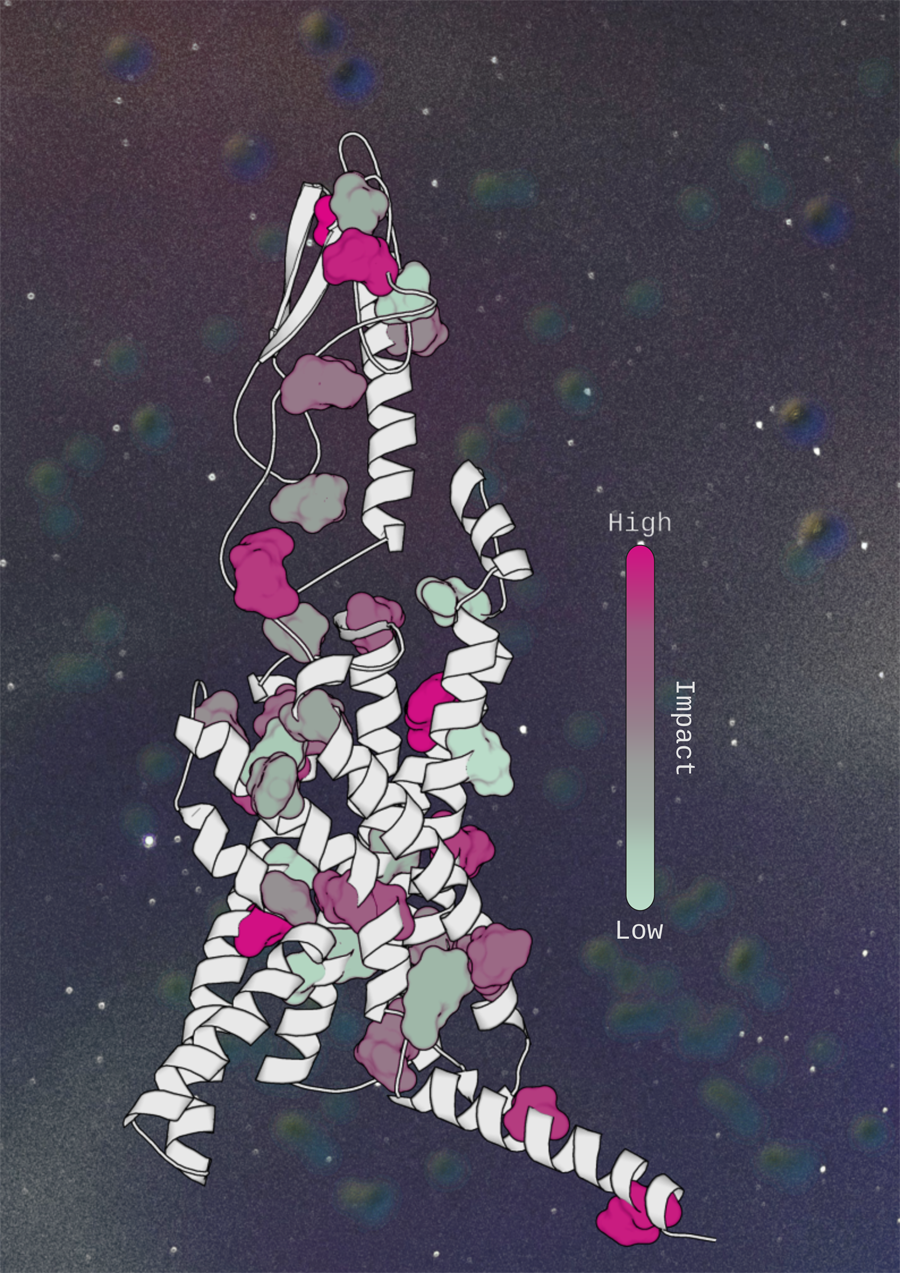
This new method combines existing artificial intelligence-based predictors, including AlphaMissense and REVEL, with information on the receptor's three-dimensional structure, membrane characteristics and molecular dynamics. During its evaluation, GPCRvp showed greater agreement with laboratory measurements and reduced false-positive predictions by approximately 78% in the validation datasets compared with AlphaMissense. At the same time, the researchers successfully used the new tool to predict the functional impact of an additional 174 human GLP1R variants.
As Dr Jana Selent, coordinator of the GPCR Drug Discovery Group at HMRIB, explains, "these results suggest that incorporating biological features specific to this family of G protein-coupled receptors can improve the interpretation of human genetic variation". At the same time, Marta López Balastegui, first author of the study, considers that "approaches such as GPCRvp could help researchers and clinicians better understand how each individual's genetic variation may influence GLP-1 receptor function and potentially contribute to more personalised strategies for the management of diabetes and obesity".
Although this tool was initially validated for the GLP-1 receptor, the methodological framework developed can be applied to the entire family of this type of receptor and to other membrane proteins involved in human diseases.

From left to right: Jana Selent and Marta López Balastegui
Reference article
Lopez-Balastegui, M., Lian, S., Gao, W. et al. The GPCRVP score reliably predicts the impact of GLP1R human variants on receptor function. Diabetologia (2026). https://doi.org/10.1007/s00125-026-06859-3
© Institut Hospital del Mar
d'Investigacions MèdiquesLegal Notice and Privacy Policy | Cookie Policy | Site Index | Accessibility | Find Us | Contact